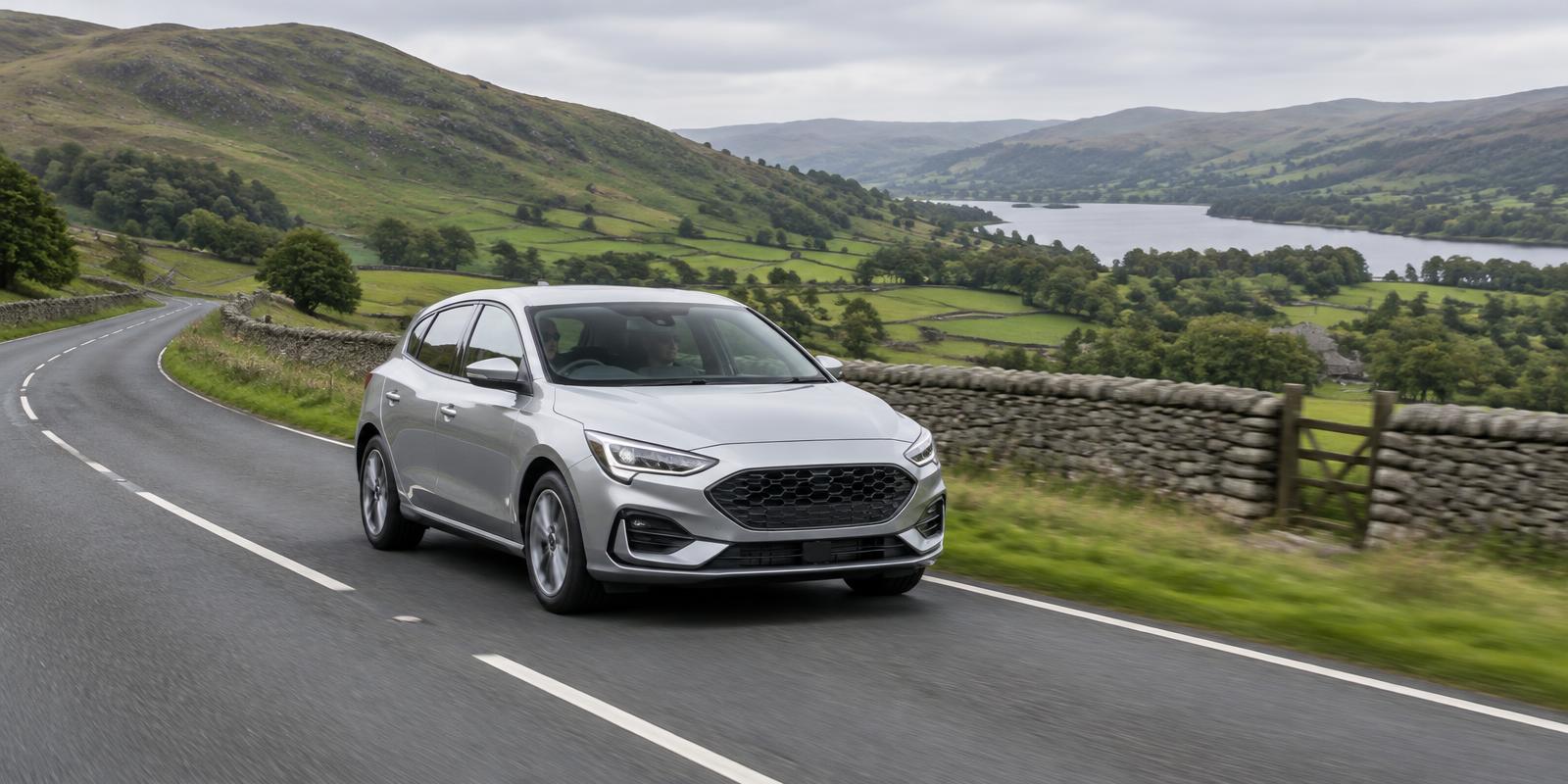
How does a fuel cost calculator work?
The calculator first works out how much fuel your journey needs, then multiplies that by the price you pay per litre:
Fuel cost = fuel required (litres) × fuel price per litre
Fuel required comes from your distance and your car's fuel economy. Because UK fuel economy is quoted in miles per imperial gallon and fuel is sold in litres, we convert using 1 UK gallon = 4.546 litres:
Litres = (miles ÷ MPG) × 4.546
For example, 100 miles in a car averaging 40 MPG uses 2.5 gallons, or about 11.4 litres. At £1.45 a litre that's roughly £16.48.
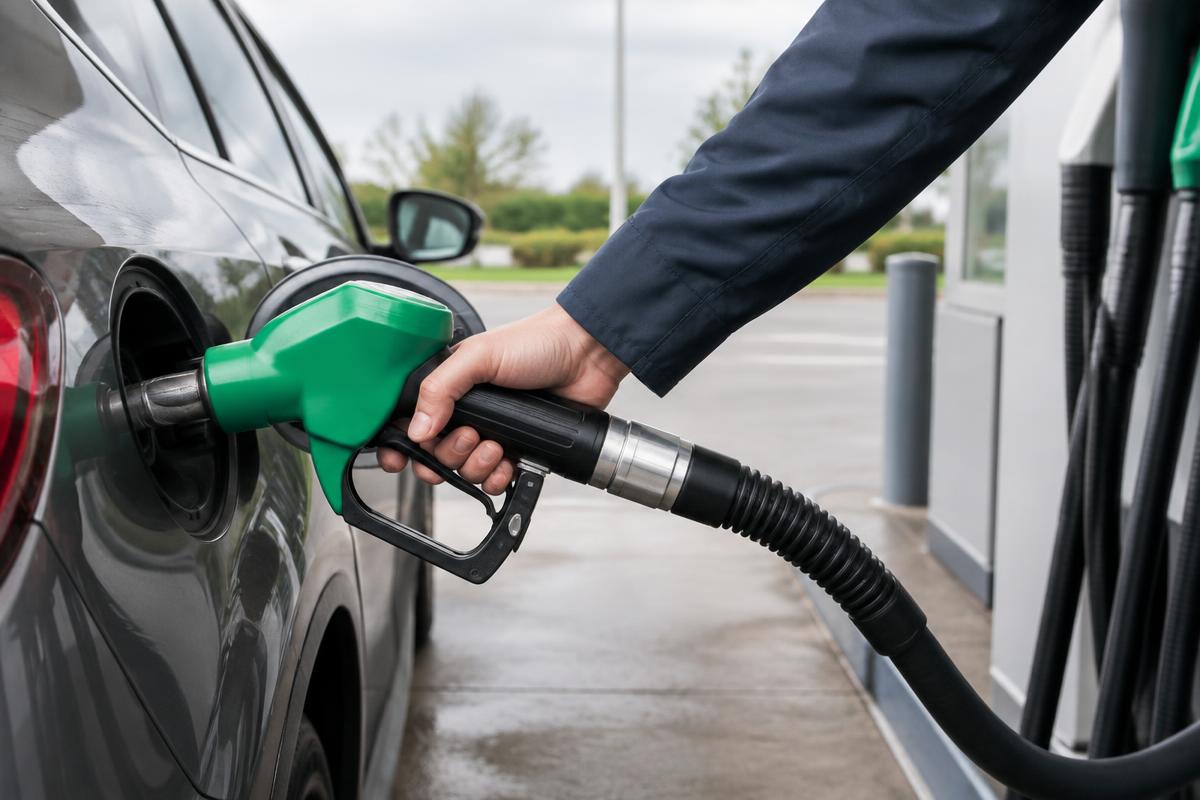
How do you calculate fuel cost per mile?
Cost per mile = (4.546 ÷ MPG) × price per litre
A car doing 45 MPG uses 0.101 litres per mile. With petrol at £1.45, that's about 14.6p every mile. Knowing your cost per mile makes it easy to price any trip in your head. Try the dedicated fuel cost per mile calculator.
How much does it cost to drive 100 miles?
There's no single answer, because it depends on three things: your vehicle's fuel economy, the price you pay for fuel, and driving conditions on the day. Some typical examples at £1.45 a litre:
- 30 MPG: about £21.97 per 100 miles
- 40 MPG: about £16.48 per 100 miles
- 50 MPG: about £13.18 per 100 miles
- 60 MPG: about £10.99 per 100 miles
See the 100 mile fuel cost calculator for your own figures.
What is UK MPG?
UK MPG measures how many miles a car travels on one imperial gallon of fuel — 4.546 litres. A US gallon is smaller, at 3.785 litres, so the same car shows a lower MPG figure in US units. A car returning 50 MPG in the UK would read about 41.6 MPG in US terms.
That matters if you're using figures from American websites or reviews: putting a US MPG number into a UK calculator will overstate your fuel cost. Everything on this site uses UK imperial MPG unless you switch to L/100km.
Petrol vs diesel fuel costs
Diesel usually costs a little more per litre than petrol, but diesel cars typically achieve better fuel economy, especially on longer motorway runs. Whether diesel works out cheaper per mile depends on the specific cars being compared, the prices you pay and how you drive.
Neither fuel is always cheaper. The fairest comparison is cost per mile: use the petrol cost per mile and diesel cost per mile calculators with your own figures.
How can I reduce my fuel costs?
Small habits add up over a year of driving. None of these are dramatic on their own, but together they can noticeably improve your real-world MPG:
- Accelerate and brake smoothly. Reading the road ahead and avoiding harsh acceleration uses less fuel.
- Keep tyres at the correct pressure. Under-inflated tyres increase rolling resistance. Check the pressures in your handbook or on the door pillar.
- Remove unnecessary weight. Clear out the boot and take off empty roof boxes and bars when you don't need them.
- Plan journeys and combine trips. A warm engine is more efficient, so one longer round trip often beats several short ones.
- Keep the car maintained. Regular servicing keeps the engine running as intended.
- Compare fuel prices. Prices can vary between nearby forecourts, and motorway services are often more expensive.